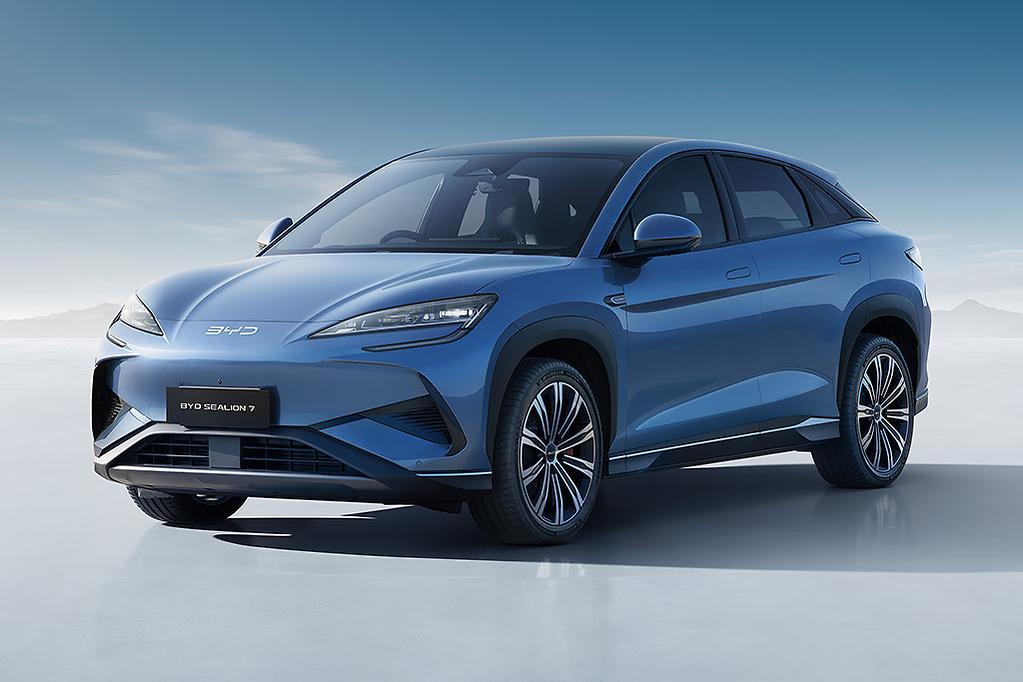
Electric SUVs are becoming an increasingly popular choice for Australian families, and the BYD Sealion 7 is making a strong impression. Combining modern styling, a spacious interior and competitive pricing, the Sealion 7 offers an alternative to established electric SUVs such as the Tesla Model Y.
Available in Premium and Performance variants, the 2026 Sealion 7 starts from $54,990 before on-road costs. With a driving range of up to 482km under WLTP testing, it aims to deliver everyday practicality without sacrificing performance or comfort.
What Makes the BYD Sealion 7 Different?
The Sealion 7 combines a sleek, coupe-inspired SUV design with the practicality of a five-seat family vehicle. Its distinctive headlights, sculpted bodywork and flowing roofline give it a modern appearance, while the relatively long wheelbase helps create a spacious cabin.
Underneath, the vehicle uses BYD's Blade Battery technology. The lithium iron phosphate battery is designed to provide dependable electric driving, while the choice of rear-wheel drive or all-wheel drive allows buyers to prioritise efficiency or stronger acceleration.
2026 BYD Sealion 7 Price in Australia
Australian buyers can choose between two versions of the Sealion 7. The Premium is the more affordable option, offering a single electric motor and rear-wheel drive, while the Performance adds a second motor and all-wheel drive for significantly quicker acceleration.
BYD Sealion 7 Price Comparison
| Variant | Price Before On-Road Costs |
|---|---|
| Sealion 7 Premium RWD | $54,990 |
| Sealion 7 Performance AWD | $63,990 |
Prices are indicative Australian manufacturer list prices and exclude on-road costs. Promotional drive-away offers and dealer pricing may differ.
Electric Range and Performance
Both Sealion 7 variants use an 82.56kWh Blade Battery, although their performance and driving range differ. The Premium produces 230kW and can accelerate from 0–100km/h in a claimed 6.7 seconds, making it more than capable for everyday commuting and highway driving.
The Performance model increases combined output to 390kW and reduces the claimed 0–100km/h time to just 4.5 seconds. This makes it an appealing option for buyers who want strong acceleration alongside the practicality of an electric family SUV.
Driving Range Comparison
| Specification | Premium | Performance |
|---|---|---|
| Power | 230kW | 390kW |
| Drive type | RWD | AWD |
| Range (WLTP) | 482km | 456km |
| 0–100km/h | 6.7 seconds | 4.5 seconds |
| Battery capacity | 82.56kWh | 82.56kWh |
Real-world range will vary with driving style, road conditions, weather and vehicle load. Buyers planning frequent highway trips should consider their charging options as well as the manufacturer's range figures.
Charging the BYD Sealion 7
The Sealion 7 supports AC charging at up to 11kW and DC fast charging at up to 150kW. For drivers with suitable home charging equipment, an overnight charge can make daily electric driving particularly convenient.
Public DC fast charging provides another option for longer journeys, although actual charging speeds depend on battery temperature, state of charge and charger capability. The Sealion 7 also supports vehicle-to-load technology, allowing compatible external electrical devices to draw power from the vehicle.
Interior, Comfort and Technology
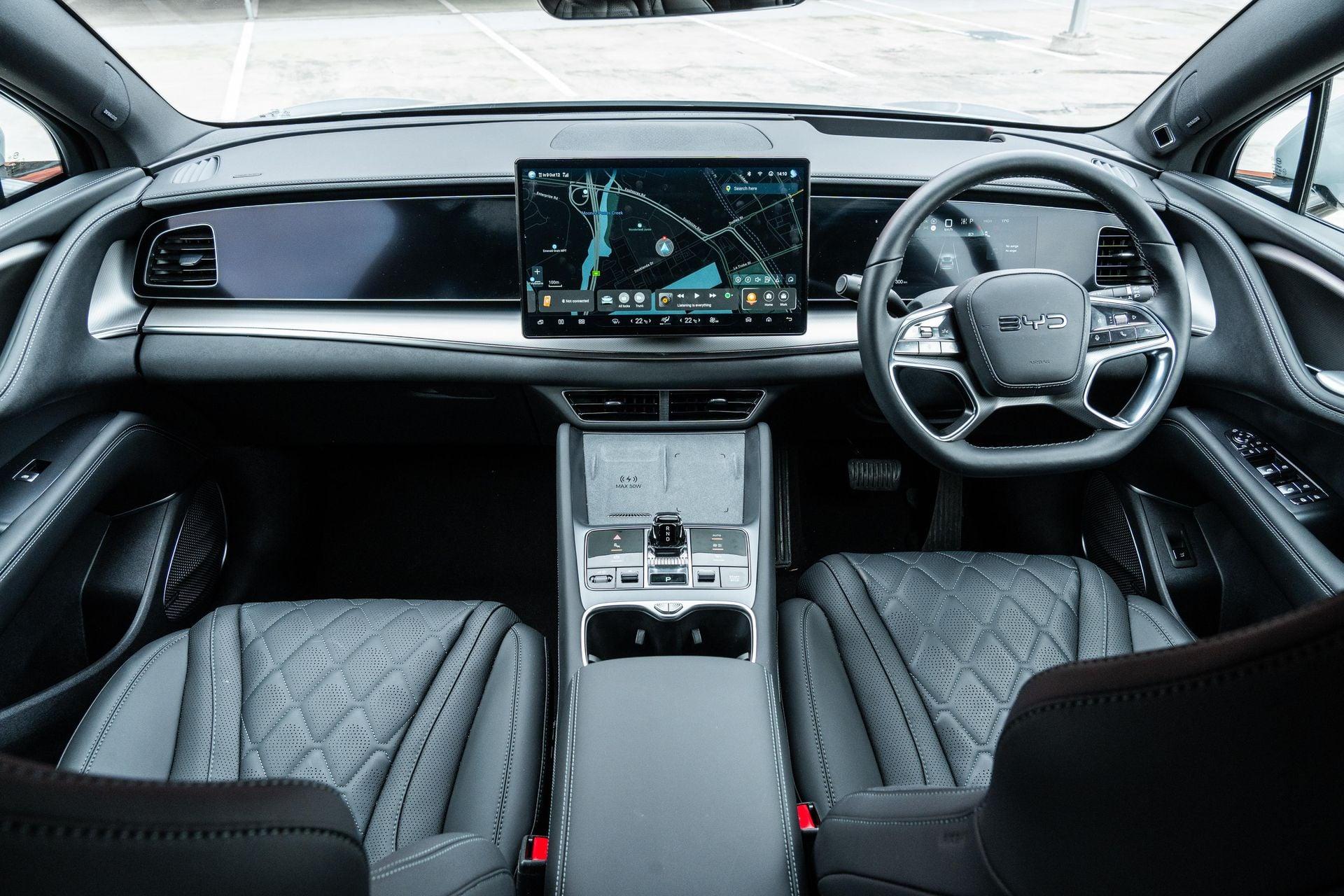
Inside, the Sealion 7 offers a modern cabin centred around a large infotainment display. The interior combines digital technology with practical features designed for families, including smartphone connectivity, generous passenger space and useful storage areas.
The vehicle also offers a panoramic glass roof and a range of comfort and convenience features. Equipment varies by grade, with the Performance model providing additional premium touches. Buyers should compare both versions to decide which features are worth the extra cost.
Is the BYD Sealion 7 Safe?
The Sealion 7 includes a range of modern driver assistance technologies, including autonomous emergency braking, adaptive cruise control, lane assistance and blind-spot monitoring. These systems are designed to assist the driver but do not replace attentive driving.
BYD Sealion 7 vs Tesla Model Y
The Tesla Model Y is one of the Sealion 7's most obvious competitors. Both offer electric power, modern interiors and family-friendly SUV practicality, but they take somewhat different approaches to the driving experience.
The BYD places a strong emphasis on interior equipment, comfort and value, while the Tesla offers an established charging ecosystem and its distinctive minimalist cabin experience. The better choice will depend on purchase price, preferred features, charging needs and personal driving preferences.
Which BYD Sealion 7 Should You Choose?
For most buyers, the Premium offers a compelling balance of performance, driving range and price. Its 230kW electric motor provides strong everyday acceleration, while the longer claimed WLTP range may appeal to drivers looking to maximise distance between charging stops.
The Performance makes more sense for buyers who value all-wheel drive and substantially quicker acceleration. However, its higher purchase price and slightly shorter claimed range are worth considering.
Final Thoughts
The 2026 BYD Sealion 7 demonstrates how competitive Australia's electric SUV market has become. With modern technology, strong performance and a practical interior, it deserves consideration from buyers looking to move into an electric family vehicle.
Whether you prefer the efficient Premium or the more powerful Performance, comparing features and taking a test drive will help you decide which version suits your needs.
Find Your Next Car with DriveNext
Looking for an electric SUV or comparing your next family vehicle? Explore cars from Australian dealerships through DriveNext and discover more options for your next journey.
Disclaimer: Specifications, prices, features and vehicle availability may change. Driving range and performance figures are manufacturer claims. Confirm current information with BYD Australia or an authorised dealership.